

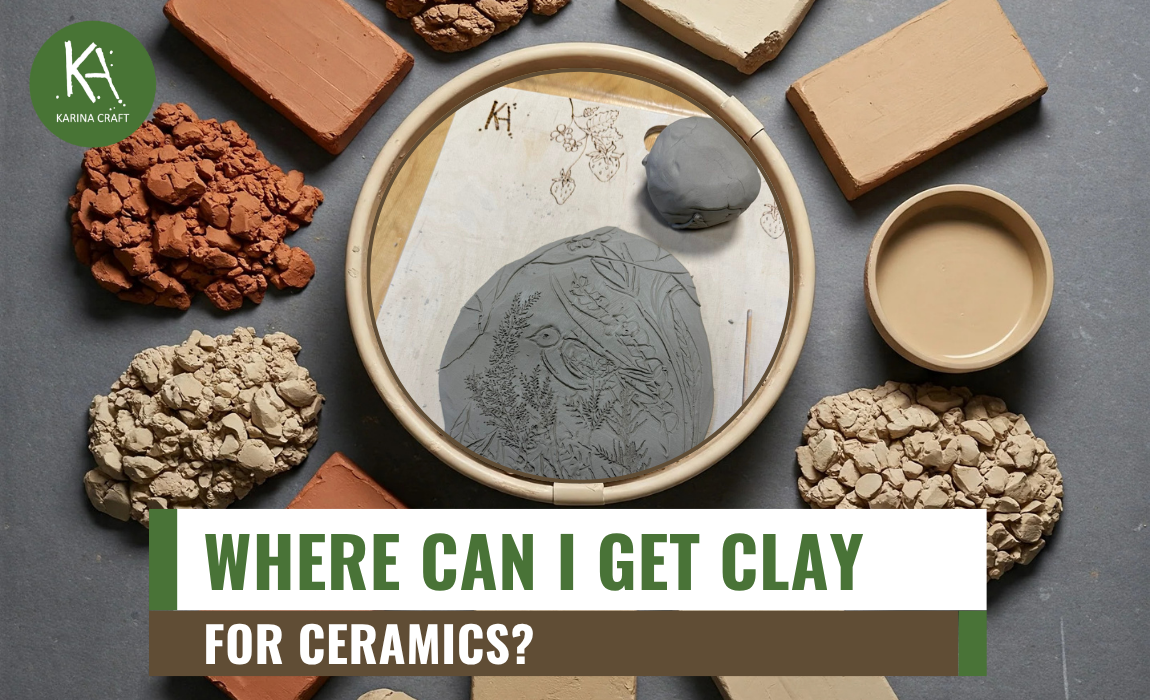
You can buy clay for ceramics from specialist pottery suppliers, art supply stores, or online shops offering different types of clay bodies. The right choice depends on what you want to make, which hand-building or throwing technique you plan to use, and whether you have access to a kiln.
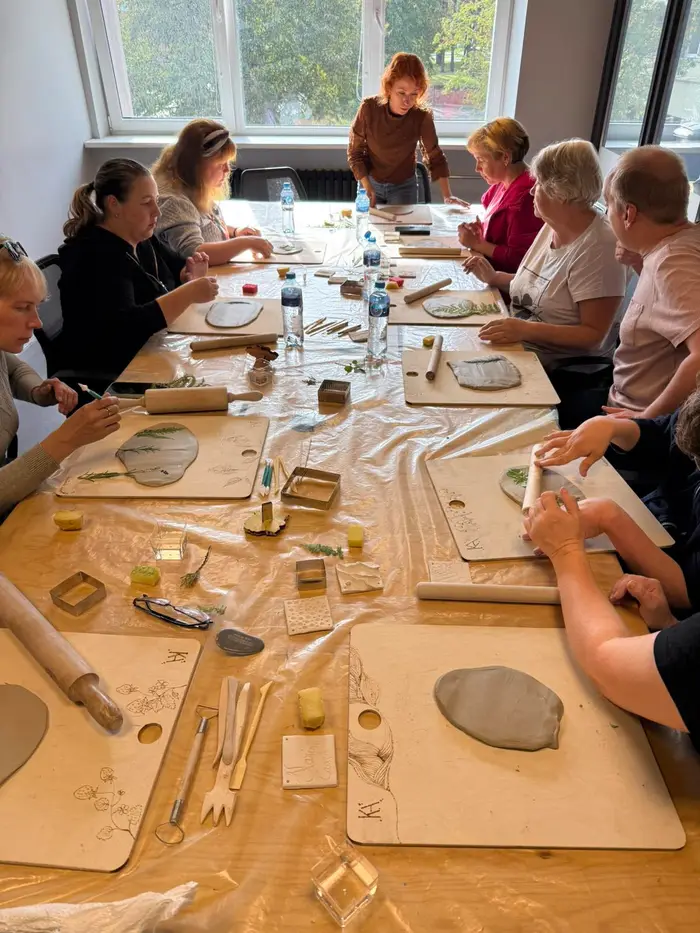
If you want to learn how to work with clay rather than simply buy it, consider joining a pottery class. Karina Craft in Vilnius offers pottery classes for beginners, where you can get hands-on experience with clay, try different modelling techniques, and create your own ceramic pieces. It is a great way to explore ceramics without previous experience or your own tools.
Where to buy clay for ceramics in Lithuania
When looking for clay, start with specialist pottery suppliers and ceramic studios. These options make it easier to find a material suited to your project and get advice about its properties.
Specialist supply stores
Specialist suppliers such as Keramikams, as well as art supply stores such as Meno mūza, Art Inn and Silikon, offer different types of clay based on colour, composition, intended use and firing temperature. This is particularly useful if you plan to make ceramic tableware, decorative objects, clay sculptures or pieces using a pottery wheel.
Depending on the supplier, you can find low-fire and high-fire clay bodies, grogged clay, porcelain, casting materials and air-dry clay. Product catalogues often organise materials by their intended use, making it easier to find clay suitable for hand-building, wheel throwing, sculpting or making ceramic tableware.
Before placing an order, check more than just the price:
- Intended use: Is the clay suitable for hand-building, wheel throwing, slip casting, or another technique?
- Firing temperature: What firing range does the manufacturer recommend?
- Package weight: Is the quantity suitable for your project?
- Technical properties: How plastic is the clay? Does it contain grog? What colour will it be after firing?
- Glaze compatibility: If you plan to glaze your work, make sure the glaze and clay body are compatible in terms of firing temperature and thermal expansion.
Checking these details helps prevent buying clay that is unsuitable for your project or the kiln you intend to use.
Buying clay online
Buying clay online is convenient when you already know which type you need. You can compare products from different manufacturers, technical specifications, package sizes, and prices.
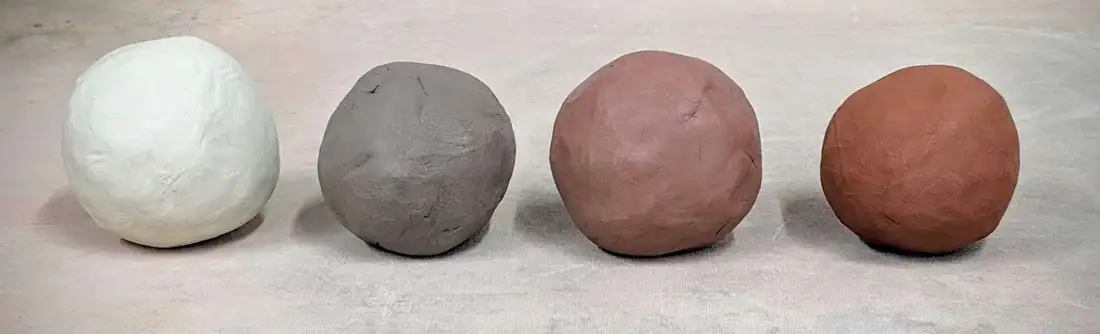
However, descriptions such as “white clay” or “red clay” are not enough to determine whether a material is suitable. Clay bodies of similar colours can differ in plasticity, firing temperature, shrinkage, and suitability for particular techniques.
If you are buying clay for the first time, choose a product with a clear description of its intended use and firing requirements. If important information is missing, contact the seller before ordering.
Also consider delivery costs and packaging. Clay needs to retain the appropriate moisture level, so follow the manufacturer’s storage instructions and protect unused clay from drying out.
Can you get clay at a pottery studio?
If you are unsure which clay to choose, contact a pottery studio. Some studios include clay in the price of their classes, while others allow participants to use studio materials and equipment under specific conditions. Availability varies, so check in advance whether you can purchase clay or use it during a session.
For beginners, this can be more practical than immediately buying a large block of clay, purchasing tools, and finding somewhere to fire finished pieces.
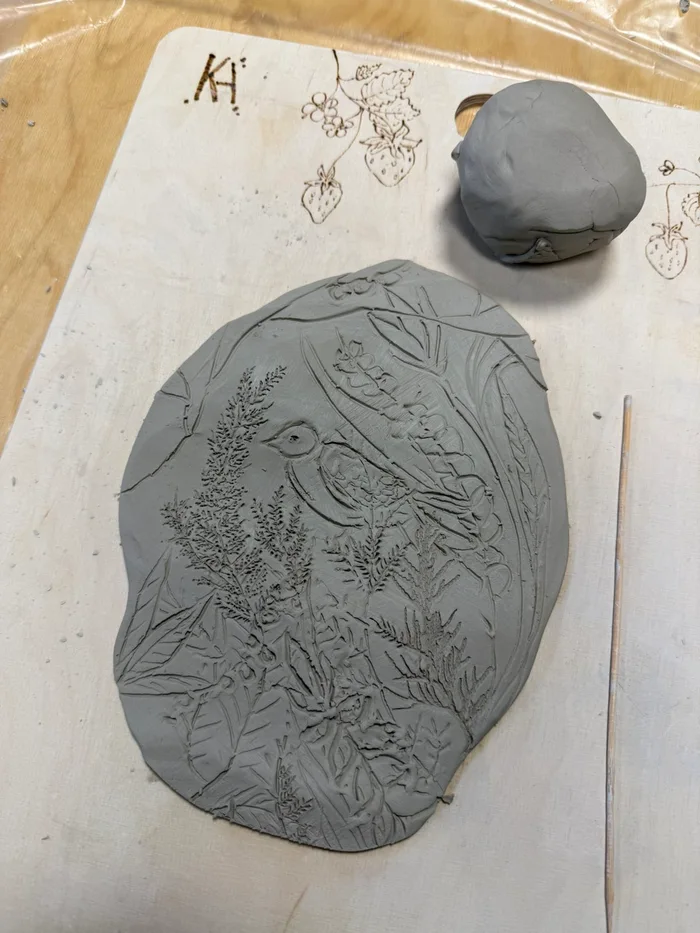
If you want to try ceramics before investing in materials, explore Karina Craft pottery activities. Pottery classes provide an opportunity to practise hand-building, learn about the creative process, and understand which materials and tools you may need for working independently.
Which clay should you choose for ceramics?
Choose a clay body based on your forming technique, the size of your project, and how the finished piece will be used.
Clay for hand-building
For hand-building, choose a plastic, easy-to-shape clay body. It can be used to make vases, bowls, small sculptures, and decorative objects. Grogged clay may be suitable for larger pieces and projects where a textured surface is desirable.
Clay for wheel throwing
Wheel throwing requires plastic clay designed to be centred and shaped on a rotating pottery wheel. When making cups, plates, or bowls, check the clay body’s firing temperature and compatibility with the glaze you intend to use.
For tableware, appropriate firing and materials designed for food contact are essential. A product labelled simply as “ceramic clay” is not automatically suitable for making functional dishes.
Grogged clay
Grogged clay contains small particles of previously fired ceramic material, known as grog. These particles give the clay a grainier texture and affect how it behaves during forming.
Grogged clay is often used for sculptures, reliefs, and larger hand-built objects. When choosing it, check the size and proportion of the grog particles, as these influence the texture and working properties of the clay.
Air-dry clay
Air-dry clay is suitable for decorative objects and figurines when you do not have access to a pottery kiln. However, it is not a substitute for traditional kiln-fired clay. Once dry, it may not be waterproof, heat-resistant, or suitable for contact with food.
If you want to make functional ceramic tableware, choose a clay body designed for firing and arrange access to a suitable kiln.
Can you find clay for ceramics in nature?
Natural clay can be found in the environment, but its composition and properties may not be suitable for pottery. Before using it, you need to assess its composition, prepare the material, and test its working and firing properties.
For beginners, commercially prepared clay is usually the simpler option because the manufacturer specifies its intended use and firing temperature. Natural clay should not be assumed suitable for tableware without the necessary testing and an appropriate firing process.
Frequently asked questions about clay for ceramics
Where can I buy clay for ceramics at the lowest price?
Compare clay prices by package weight, intended use, and technical properties rather than looking at the total price alone. Check specialist pottery suppliers, delivery costs, and whether the clay is suitable for your project. The cheapest option may not be the most economical if it does not meet your needs.
Can you fire clay in a home oven?
Traditional ceramic clay cannot be properly fired in a standard domestic oven because it requires much higher temperatures. A home oven should only be used for specialist modelling materials when the manufacturer explicitly states that this is suitable. Always check the product instructions.
Where can I get clay pieces fired if I don’t have a kiln?
Contact local pottery studios and ask whether they accept pieces made outside their workshops for firing. Tell them which clay body you used, its recommended firing temperature, and whether the piece is completely dry.
Not every studio accepts unknown clay bodies or work made elsewhere, so confirm the conditions before bringing your pieces in.
